Explore the Shop
Everything here is farmed organically or biodynamically, with minimal intervention in the cellar. Find a pairing for tonight, learn what natural wine is, meet our growers, or travel by region.
What should I drink with that?
Pick what's on the table, we'll point you to a bottle.
Reach for something with acidity
Skin contact whites and lighter reds cut through rich, fatty cheeses without fighting them. Look for orange wine or a chillable red with good acid.

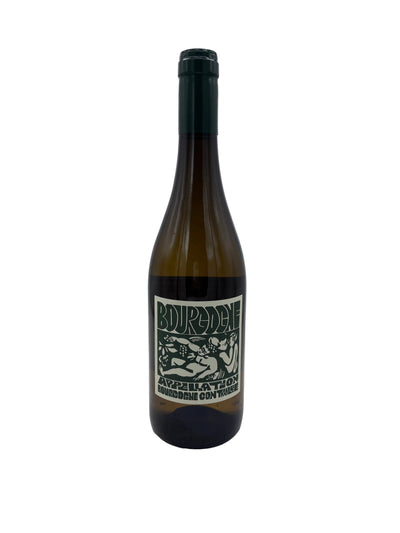
Stay light and bright
Crisp whites with citrus and salinity mirror the ocean instead of overwhelming it. A cold glass of something mineral driven works with almost anything from the sea.
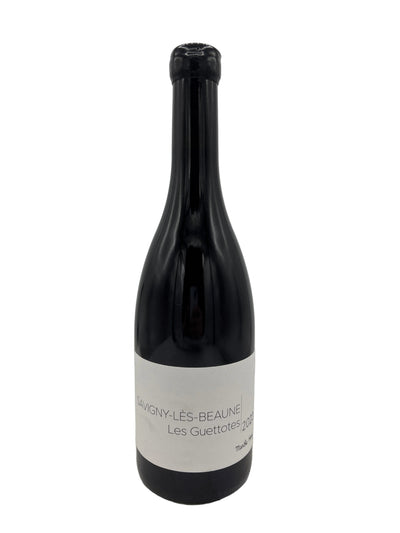

Go structured and savory
Slow roasted meats want a red with enough backbone to match, but not so much tannin it fights the natural richness. Look for something earthy with good fruit underneath.

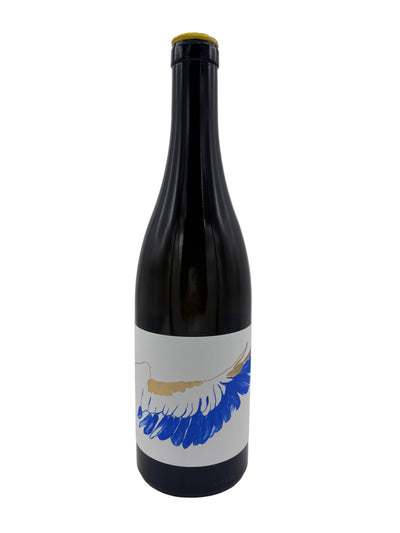

Keep it easy sipping
Small plates and snacks call for something you can pour before you've even decided what to eat. A crisp, low key white or a chillable red both work.
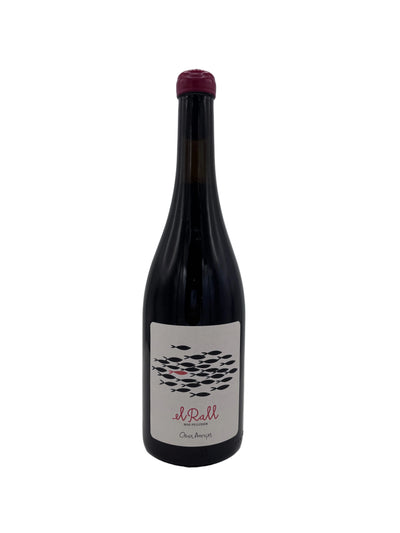
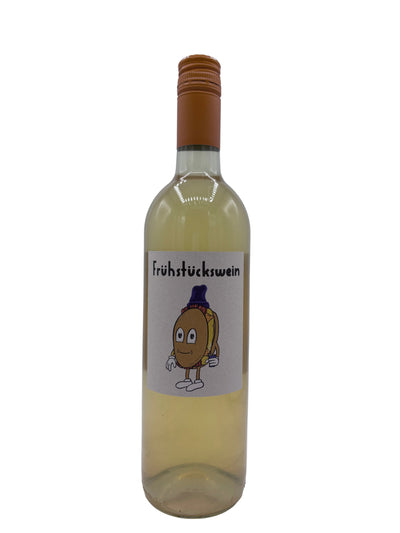
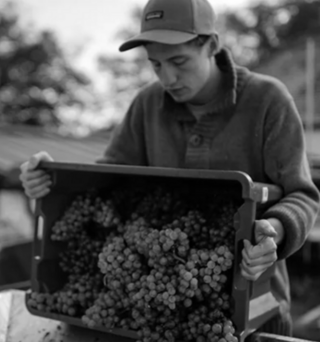
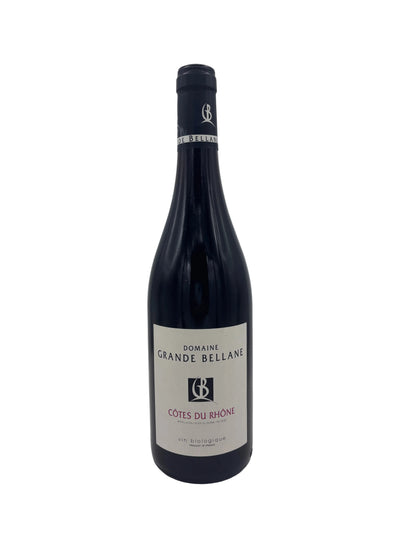

Reach for something green and zippy
Fresh, vegetal flavors want a wine that won't overpower them. A high acid white or a light, herbal red both play well with vegetables and greens.
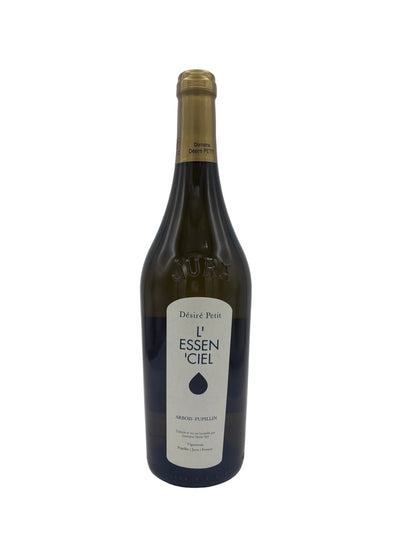

Match the acidity
Tomato sauce and melted cheese both need a wine with enough of its own acid to keep up. A juicy, high acid red is the classic match for pasta or pizza night.

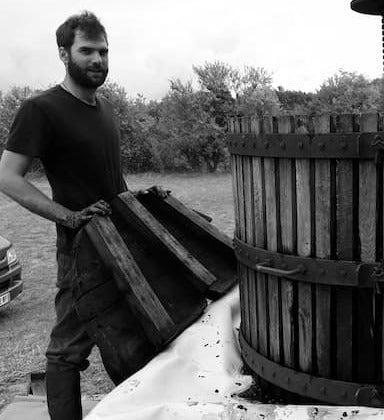
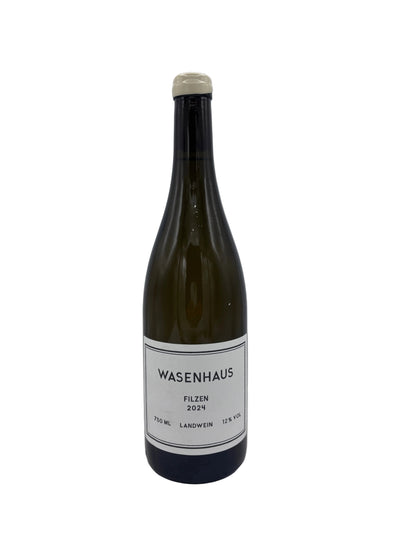
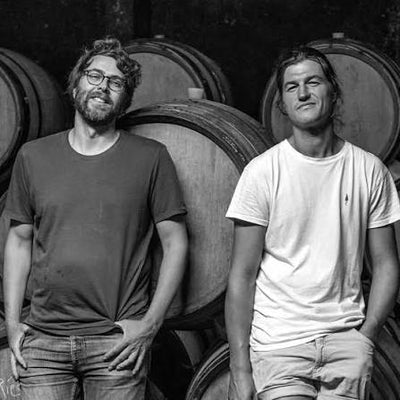
Keep it low in alcohol, off dry
Heat plus high alcohol amplifies the burn. A slightly sweet or fruit forward white with lower alcohol cools things down instead of fighting the spice.
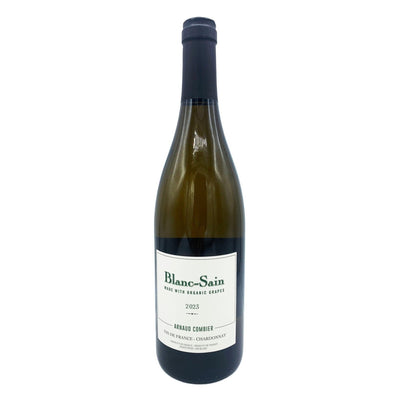
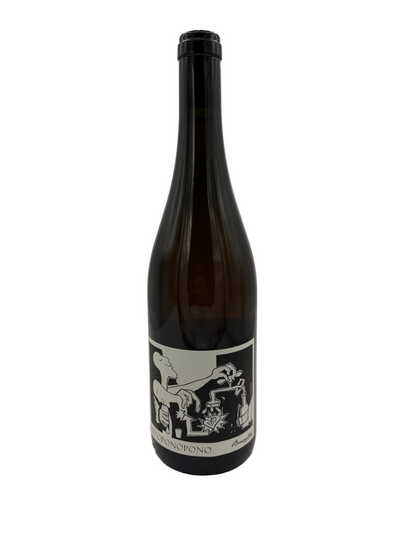
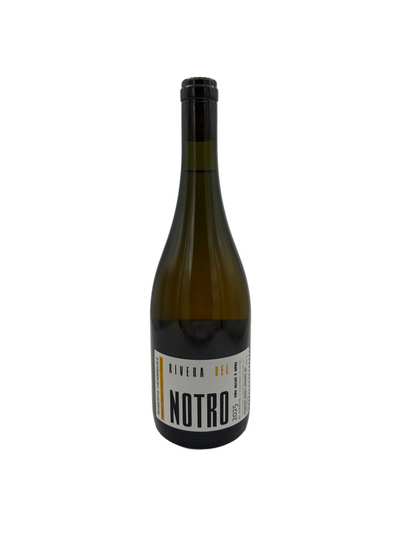
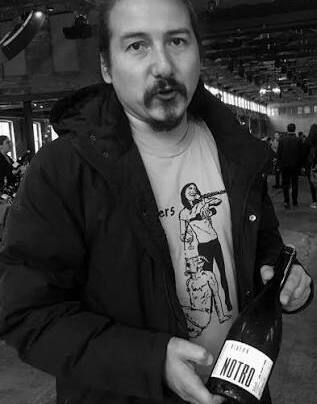
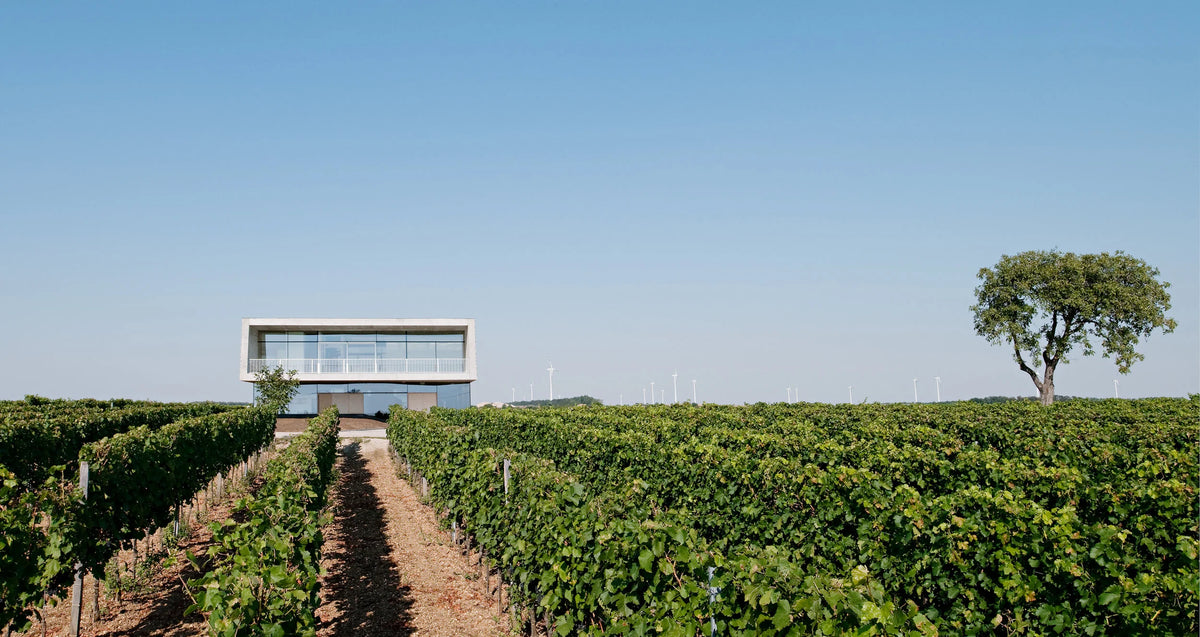
Claus Preisinger
Claus Preisinger, based in Gols, Burgenland, Austria, is a prominent figure in the natural wine movement. He has been making wine since 2002 and converted his vineyards to biodynamic production in 2006, earning certification from Respekt Biodyn. Claus is known for his minimal intervention approach.
Biodynamic Practices and Philosophy
Claus Preisinger employs a range of biodynamic practices to cultivate his 17 hectares of vineyards. These practices include the use of homeopathic teas, compost from cattle and horses, and strict adherence to Steiner philosophies. His vineyards, which span 64 parcels, are predominantly planted with indigenous grape varieties such as Blaufränkisch, Zweigelt, and St. Laurent, as well as international varieties like Pinot Noir and Pinot Blanc.
Innovative Winemaking Techniques
Claus is renowned for his experimental approach to winemaking. He was one of the first Austrian winemakers to use skin contact fermentation in Georgian amphorae, a technique he started with his 2009 Weissburgunder from the Edelgraben vineyard. His winemaking process relies heavily on spontaneous fermentation with indigenous yeasts, and he minimizes the use of sulfites, adding them only when absolutely necessary before bottling.
Signature Wines
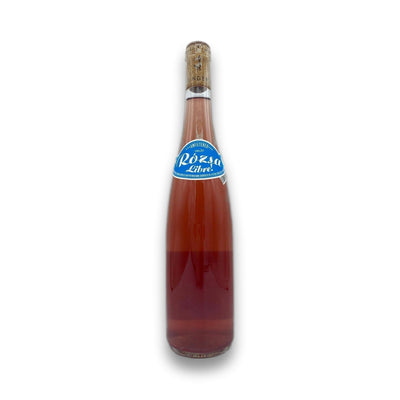
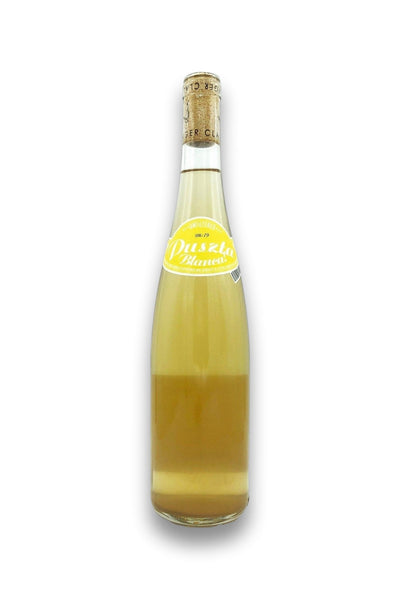
Claus Preisinger produces a diverse range of wines that are celebrated for their purity and complexity. Notable wines include:
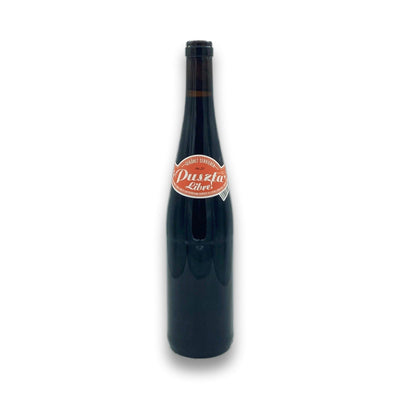
Puszta Libre!: A blend of Zweigelt and St. Laurent, known for its bright fruitiness and low sulfite levels.
KalkundKiesel: Available in both red and white blends, these wines are named after the pebbly, gravelly soils in which the vines grow.
Dope: A Blaufränkisch rosé that is completely natural, with no added sulfites.




Regions we love
The places our favorite growers call home.
-
 Loire ValleyChenin, Cabernet Franc and some of France's most exciting natural growers.Read our guide →
-
 JuraSavagnin, Trousseau and the wildest wines in France.Read our guide →
-
 Languedoc-RoussillonSun, schist and old Catalan vines: La Sorga, Matassa and more.Meet La Sorga →
-
 BeaujolaisCrunchy, chillable Gamay from the original natural wine gang.Shop Beaujolais →
-
 SicilyVolcanic soils, Nerello and Frappato with real energy.Shop Sicily →
-
 AustriaBright Blaufränkisch, Grüner and skin-contact from Burgenland.Shop Austria →


Curious about orange wine?
White grapes made like red wine: textured, savory and great with food.